From New York, Bolivia Backs Autonomy Proposal and Announces Opening of Trade Office in Dakhla
ALDAR / Meriem Hafiani
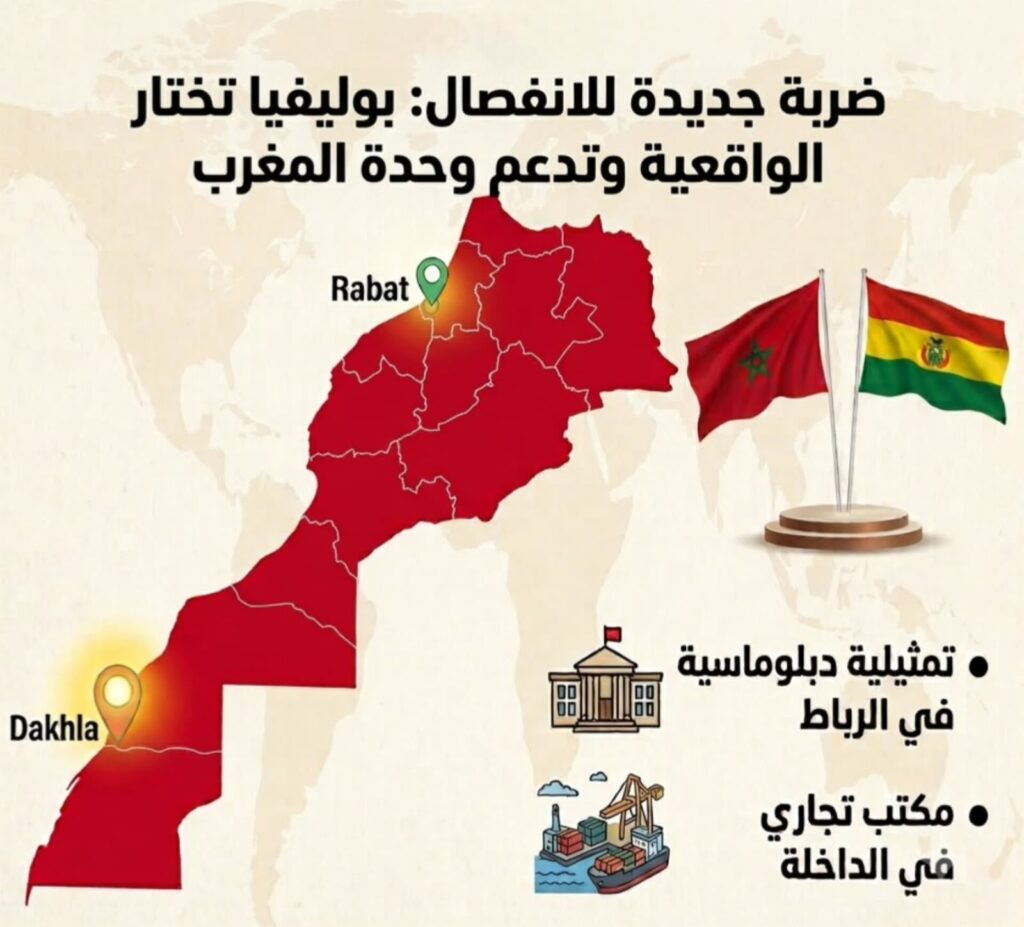
The Plurinational State of Bolivia has announced from New York its intention to open a diplomatic representation in Rabat, along with a trade office in the city of Dakhla, in a move carrying clear political and economic significance.
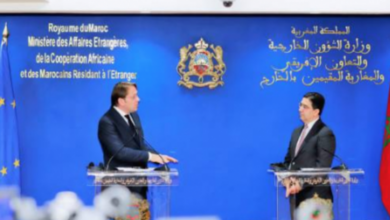
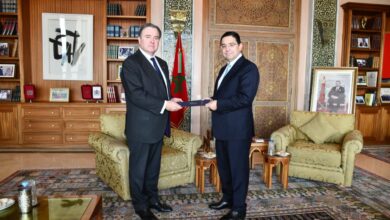
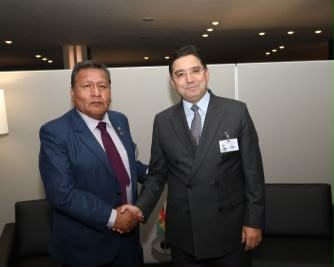
The announcement came following talks between Morocco’s Minister of Foreign Affairs, African Cooperation and Moroccans Abroad, Nasser Bourita, and his Bolivian counterpart, Héctor Francisco Huanca Gutiérrez, on the sidelines of the 81st session of the United Nations General Assembly. The two sides subsequently adopted a joint communiqué outlining the contours of a new phase in relations between Rabat and La Paz.
The decision to open a trade office in Dakhla is particularly significant, as the two countries have assigned it a practical role: serving as a platform to facilitate the access of Bolivian products to African markets. This places the city at the heart of an economic vision that goes beyond the traditional framework of bilateral relations, seeking to build trade bridges between Latin America and Africa through Morocco’s southern provinces.
On the political front, Bolivia took note of the autonomy proposal presented by Morocco in 2007, considering that it could provide a pathway for advancing negotiations toward a just, lasting and mutually acceptable political solution. The two countries also reaffirmed their commitment to the fundamental principles of international law, particularly respect for the sovereignty and territorial integrity of states and non-interference in their internal affairs.
The wording of the joint communiqué reflects a clear desire on both sides to elevate Moroccan-Bolivian relations to a more regular and institutionalized level, through intensified high-level political dialogue and the establishment of a renewed institutional framework. The two countries also agreed to reactivate the bilateral political consultations mechanism established in 1999, as a permanent framework for political and technical dialogue.
The outcome of the meeting was not limited to the political sphere. The two ministers signed an agreement providing for visa exemptions for holders of diplomatic, official, service and special passports, as well as a memorandum of understanding between the diplomatic academies of the two countries, reflecting an effort to expand channels of communication and cooperation between Rabat and La Paz.
These developments come amid Bolivia’s recalibration of its relations and diplomatic approach regarding the Sahara issue, after it announced in February 2026 that it was suspending relations with what is referred to as the “Sahrawi Republic,” according to media reports citing diplomatic developments between the two countries.
For Morocco, bringing Dakhla into the framework of economic cooperation with a Latin American country gives an additional dimension to the development dynamic in the southern provinces, particularly as the city attracts growing interest as an economic and commercial hub oriented toward Africa.
For its part, Bolivia appears interested in transforming its foreign relations into concrete opportunities for trade, investment and access to new markets. This approach was also expressed by its foreign minister during United Nations meetings, when he stressed the importance of ensuring that international relations generate tangible opportunities and results for citizens.
Thus, the Bolivian announcement goes beyond the opening of a diplomatic representation in Rabat. It also creates a direct economic channel through Dakhla, at a time when Morocco’s relations with countries in Latin America are moving toward a more pragmatic approach based on mutual interests, economic cooperation and engagement with Africa.
From Rabat’s perspective, the move further highlights the growing presence of Morocco’s southern provinces in the Kingdom’s international partnerships, not only as a political issue but also as an area of development, economic exchange and engagement with Africa.
In this context, the choice of Dakhla as a platform for Bolivian products seeking access to African markets represents a practical indication of the city’s growing importance within Morocco’s vision of South-South cooperation networks.