Bourita: We Are Preparing an Updated and Comprehensive Version of the Autonomy Plan… Upcoming Negotiations Will Be Held Under U.S. Sponsorship and Within a Final UN Framework
ALDAR/ Sara loukili
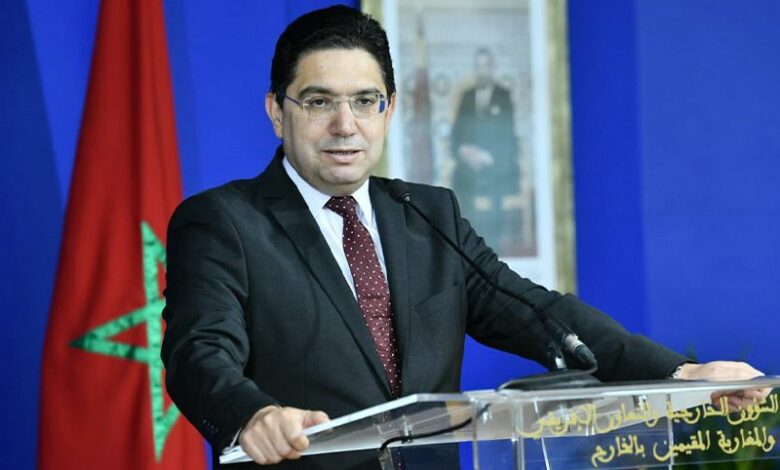
In an extensive interview with the Spanish news agency EFE in Madrid, Moroccan Foreign Minister Nasser Bourita outlined a clear vision for resolving the Sahara issue following the adoption of the latest UN Security Council resolution, stressing that the text definitively establishes the nature of the solution, the parties involved, the objective, and the timeline, opening a new phase of clear and unambiguous implementation. He emphasized that the October 31 resolution represents the first comprehensive UN document providing a detailed roadmap based on four key pillars: confirming the 2007 autonomy initiative as the sole credible reference, identifying the four concerned parties, setting the ultimate goal of genuine autonomy under Moroccan sovereignty, and establishing a clear negotiation timetable. According to Bourita, this resolution marks a decisive turning point by ending previous approaches that considered alternatives now rejected by the international community.
Bourita revealed that Morocco is currently updating the autonomy plan to make it more detailed and aligned with the country’s significant transformations over the past decade, including the 2011 Constitution, advanced regionalization, and the new development model. He noted that the updated version is being discussed with all political forces and will be submitted to the United Nations once consultations are complete.
The minister also highlighted Spain’s role, stating that Madrid not only adopted a national stance but embraced the international logic leading to a solution based on autonomy. The Security Council resolution has granted full legitimacy to Prime Minister Pedro Sánchez’s position since 2022. Bourita stressed that the strategic partnership between Rabat and Madrid has become a model in the Mediterranean, with bilateral cooperation covering sensitive technical matters, including coordination on airspace management in the Sahara region.
Regarding the resumption of the political process, Bourita indicated that Morocco is awaiting the official launch of negotiations, noting that the UN resolution designates the United States as the host of upcoming talks, and that Rabat will strictly adhere to the framework set out, without further debate on party participation. On the concept of “self-determination,” Bourita clarified that “no one ever said self-determination means a referendum,” adding that the expression of will can take the form of a negotiated agreement signed by the parties, considered by international law as the highest form of free expression of will. He reiterated that the matter concerns local populations, not a “people” in the political sense, consistent with UN terminology.
Finally, Bourita concluded that Morocco views the file as having moved from the theoretical stage to practical implementation, with the international framework now clear and final, paving the way for a more realistic final settlement, supported by growing consensus around Morocco’s autonomy initiative.