From a Revolution Against Hereditary Rule to the Inheritance of the Revolution? Mojtaba Khamenei’s Rise to Supreme Leader Opens a New Chapter in Iran’s History
From a Revolution Against Hereditary Rule to the Inheritance of the Revolution? Mojtaba Khamenei’s Rise to Supreme Leader Opens a New Chapter in Iran’s History
ALDAR/ Meyem Hafiani
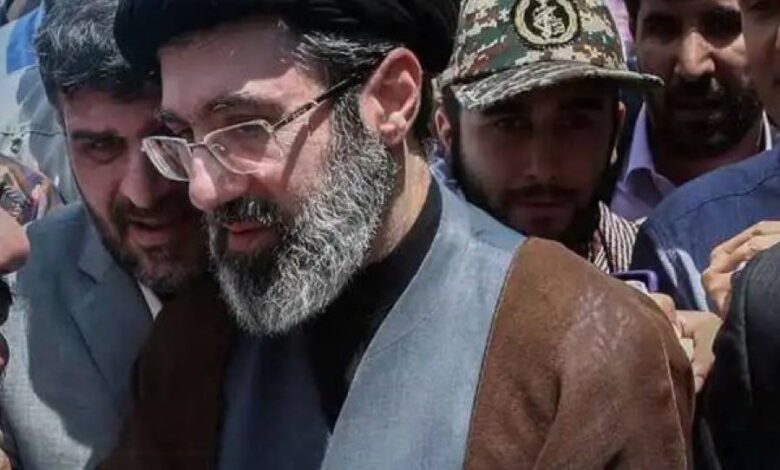
In a striking political shift reflecting the complex balance of power within Iran’s ruling establishment, Mojtaba Khamenei has been appointed Supreme Leader of the Islamic Republic of Iran, succeeding his father Ali Khamenei. The move marks an unprecedented development since the establishment of the Iranian system following the Iranian Revolution.
This transition is widely viewed as more than a simple transfer of authority. Rather, it represents a significant political moment that reopens debate about the nature of governance in Iran and the future of the doctrine of Velayat-e Faqih, the ideological foundation of the Islamic Republic.
For more than four decades, the Islamic Republic portrayed itself as a revolutionary system that broke with the hereditary traditions associated with the monarchy of the Shah. Yet the transfer of the country’s highest position from father to son places that narrative under intense scrutiny. It raises deeper questions about whether Iran is gradually evolving toward a different political model—one in which religious legitimacy increasingly intersects with familial continuity within the centers of power.
Formally, Iran’s constitution grants the authority to select the Supreme Leader to the Assembly of Experts. However, many observers argue that decisions at such pivotal moments are strongly shaped by internal power dynamics within the system. Security and military institutions play a decisive role in this equation, foremost among them the Islamic Revolutionary Guard Corps, which has over the past decades emerged as one of the central pillars sustaining the political order in Tehran.
For years, Mojtaba Khamenei remained an influential figure behind the scenes rather than a public political actor. Although he never held prominent official government posts, he was widely regarded as part of the inner circle shaping key decisions. Numerous reports suggest he wielded significant influence within both security and religious institutions and quietly played roles in managing sensitive state affairs.
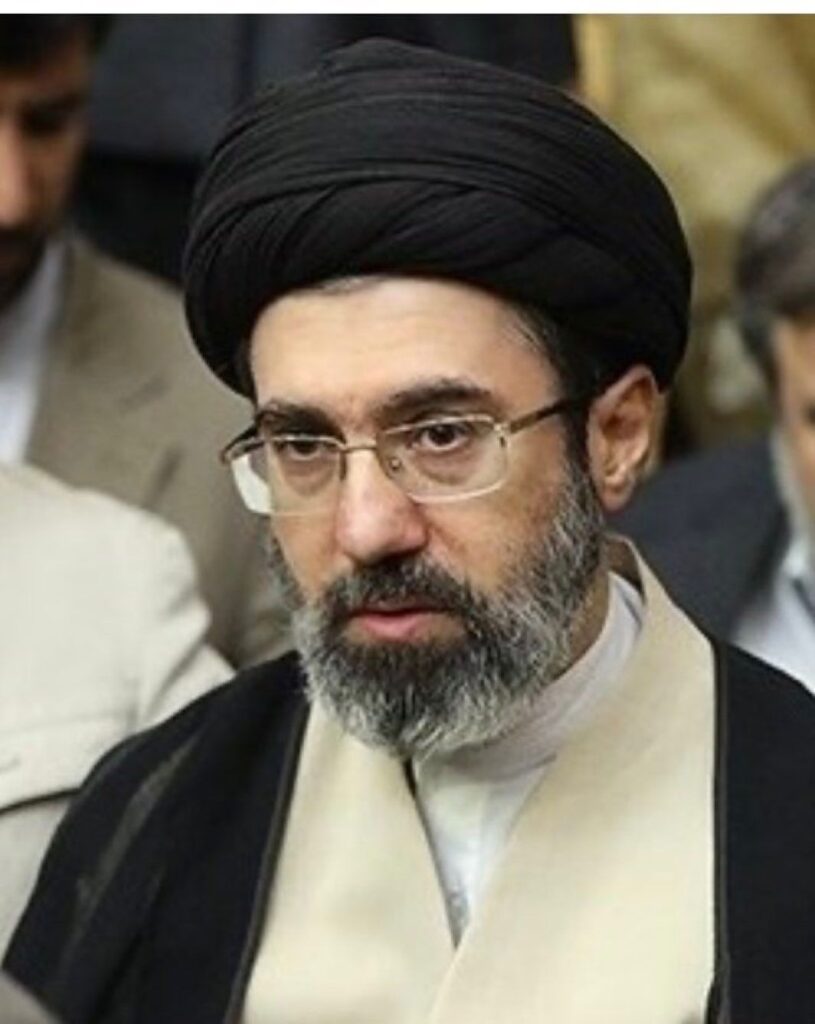
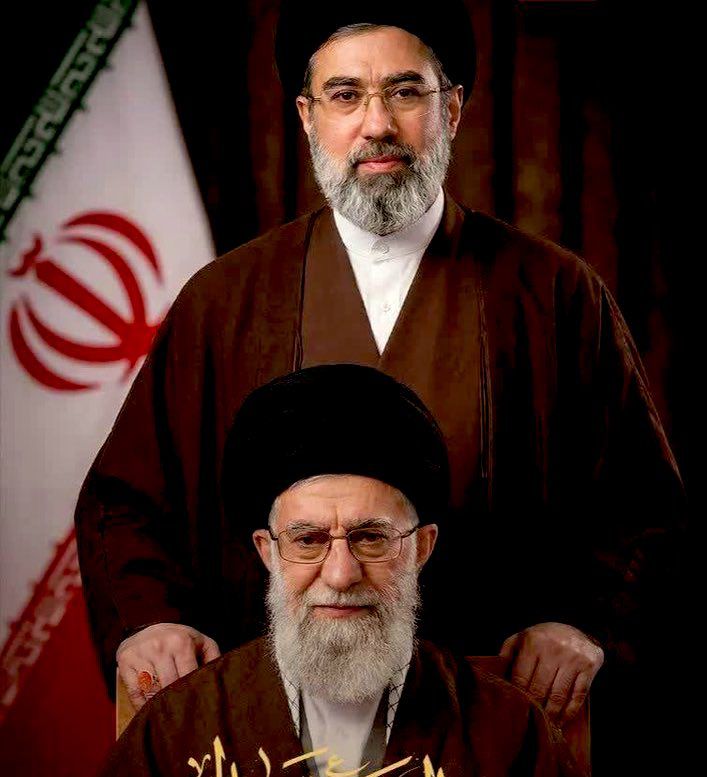
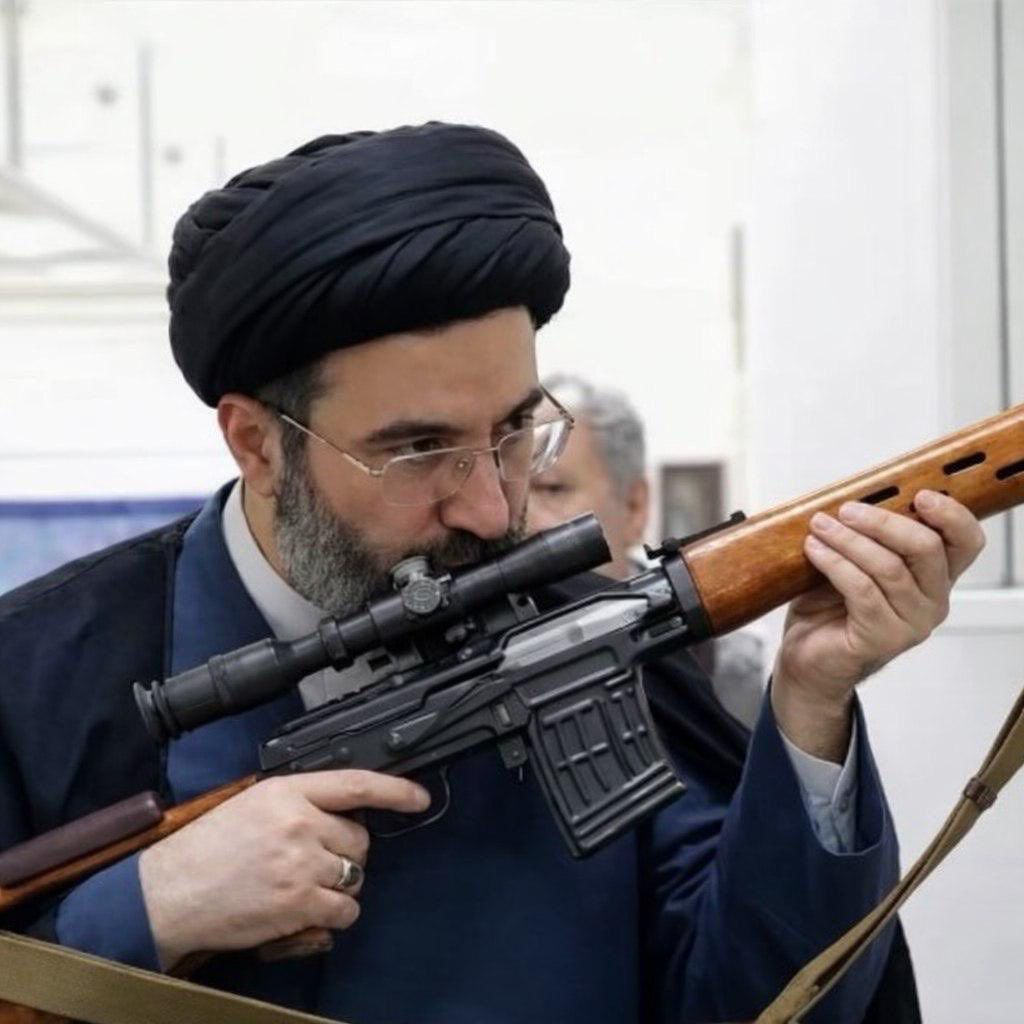 This informal influence—combined with his strong ties to networks within the Revolutionary Guard—kept his name circulating in discussions about the eventual succession to his father. With his appointment as Supreme Leader, the Iranian establishment appears to have opted for continuity within the same power structure that has developed over the past decades, a choice that may help preserve internal balance at a time of intense regional and international pressures.
At the same time, the development could invite both domestic and international criticism, particularly from those who view it as a departure from the revolutionary principles championed by Ruhollah Khomeini. The revolution that once rallied supporters under the banner of ending hereditary rule now finds itself facing a political reality in which the son of the Supreme Leader occupies the highest position of authority.
Many analysts also expect this new phase to signal a possible shift toward greater ideological rigidity in both domestic and foreign policy. Mojtaba Khamenei’s perceived proximity to hardline conservative circles could translate into a continuation of strict approaches toward internal dissent, alongside the preservation of regional policies that have positioned Iran as a key actor in multiple Middle Eastern arenas.
Ultimately, the significance of this transition goes beyond the identity of the new Supreme Leader. It touches on the very nature of Iran’s political system. The country now stands at a pivotal crossroads that could shape the character of its governance for years to come—caught between a revolutionary narrative built on rejecting hereditary power and an emerging reality that some observers may interpret as a gradual shift from a “religious revolution” toward a more insular system dominated by familial networks of influence and powerful security institutions.