At a Global Conference Organized by Morocco and the UN in New York, Bourita Highlights the Royal Vision for Combating Hate Speech
ALDAR / Iman Alaoui
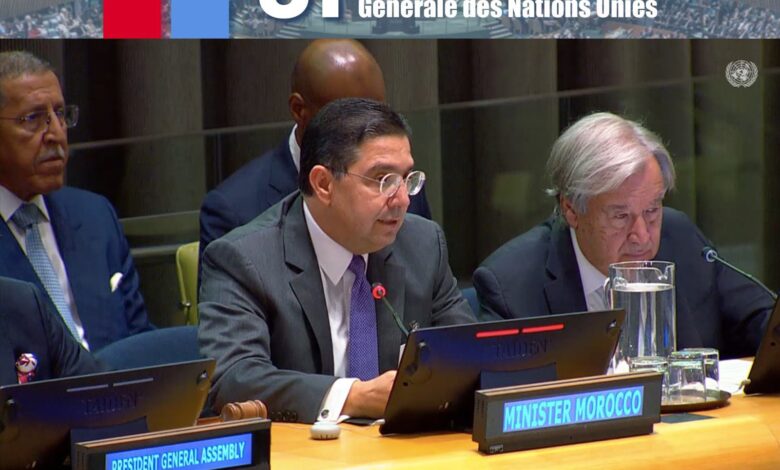
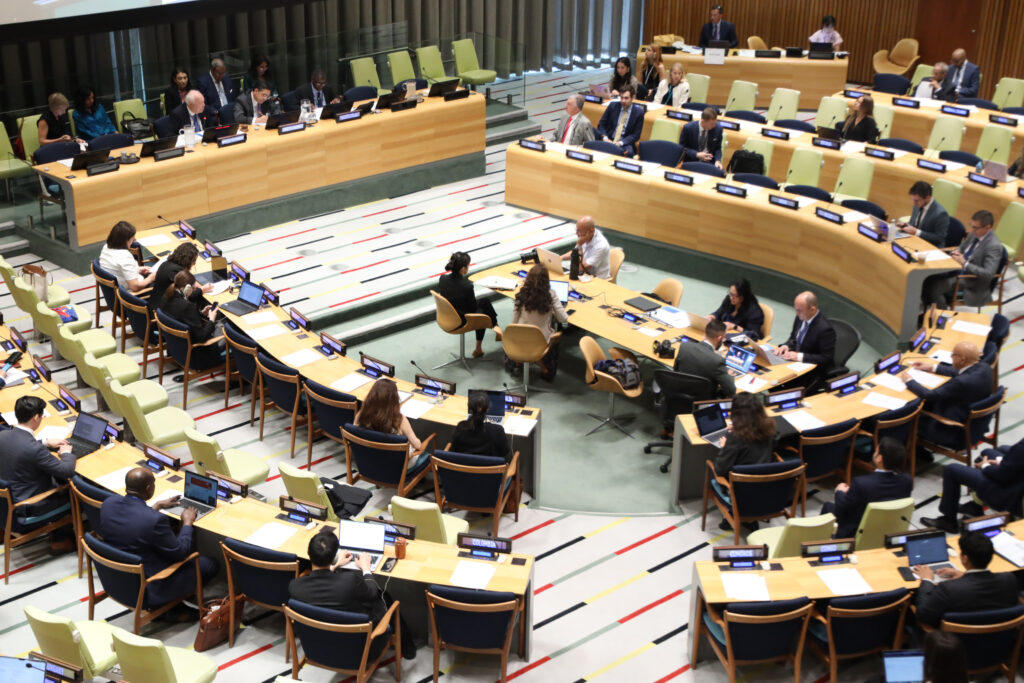
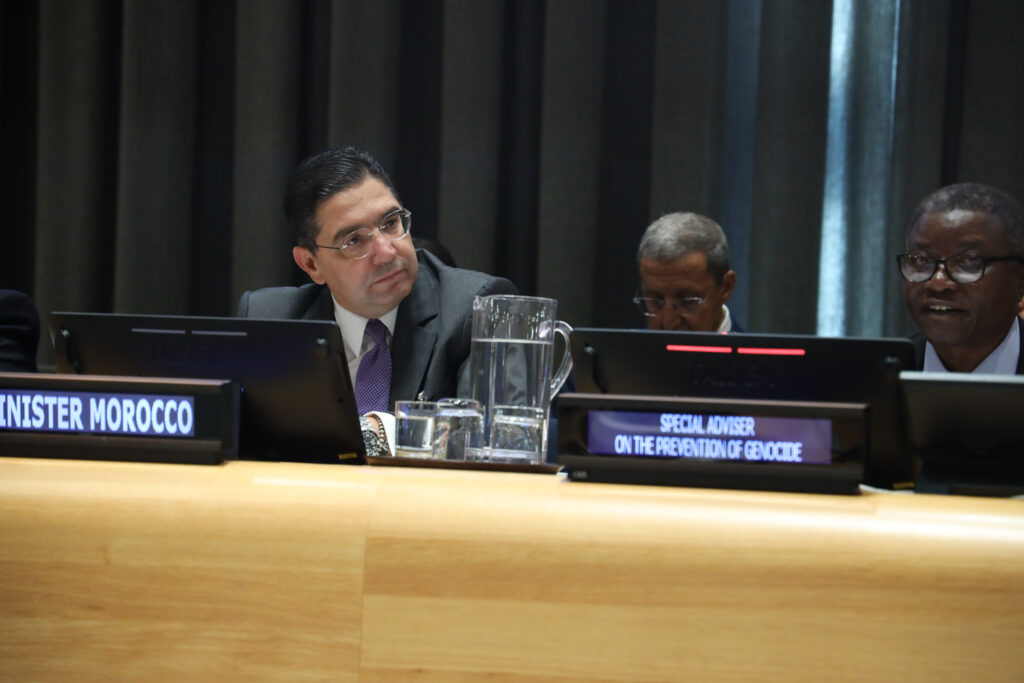
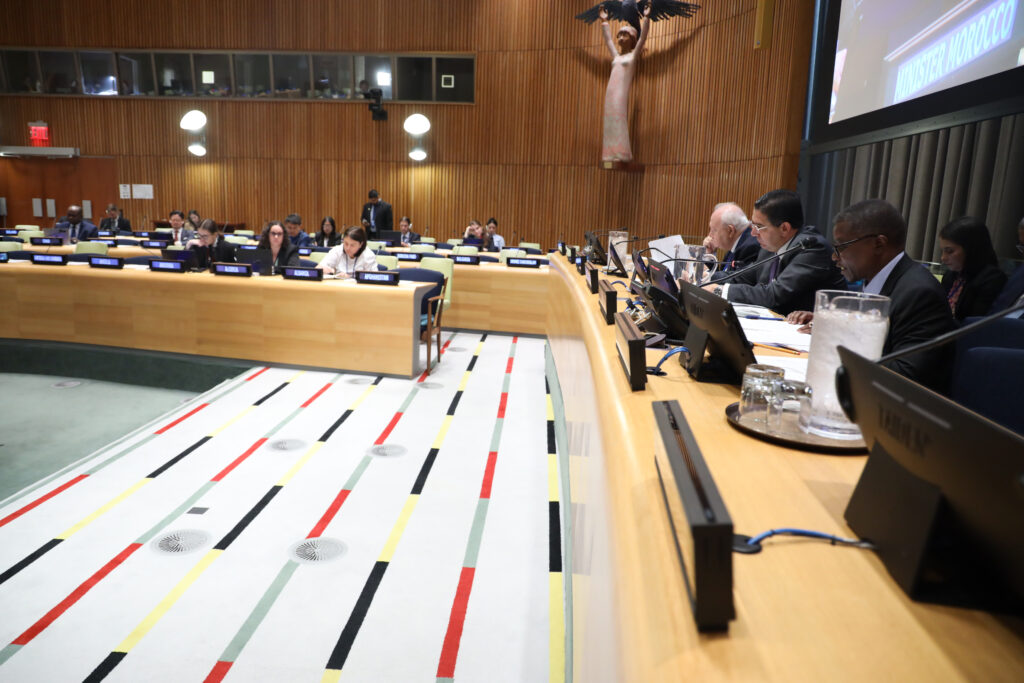
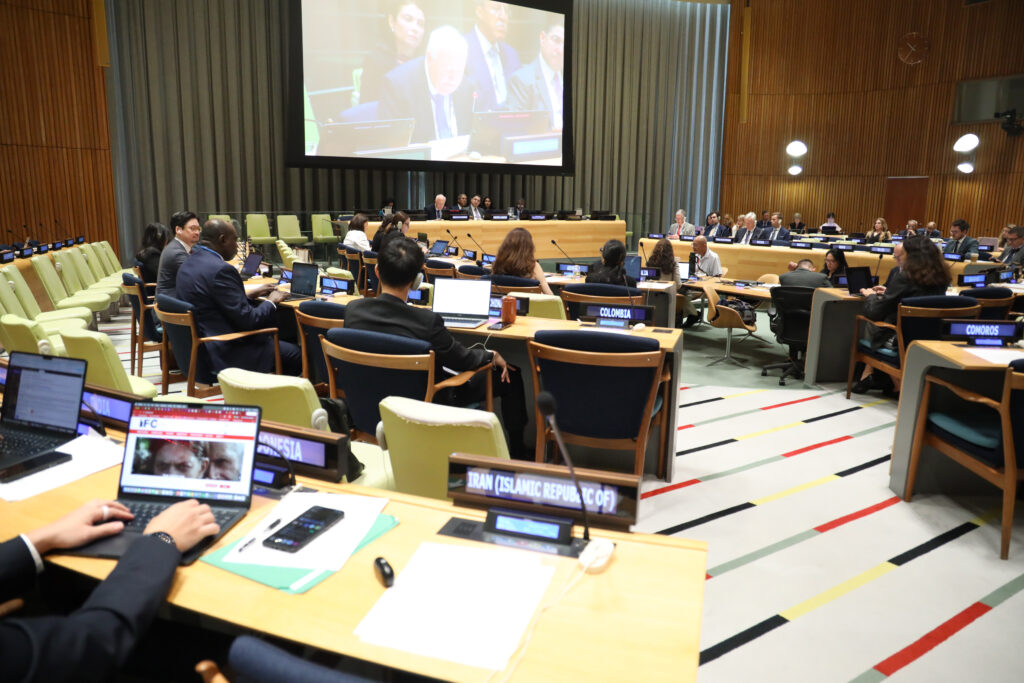
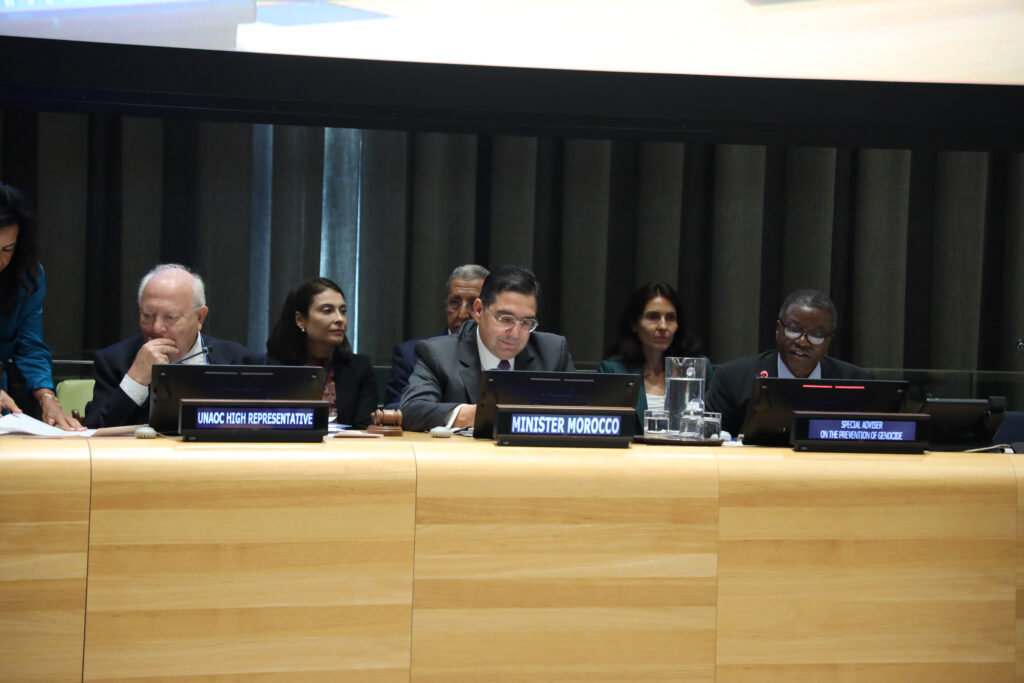
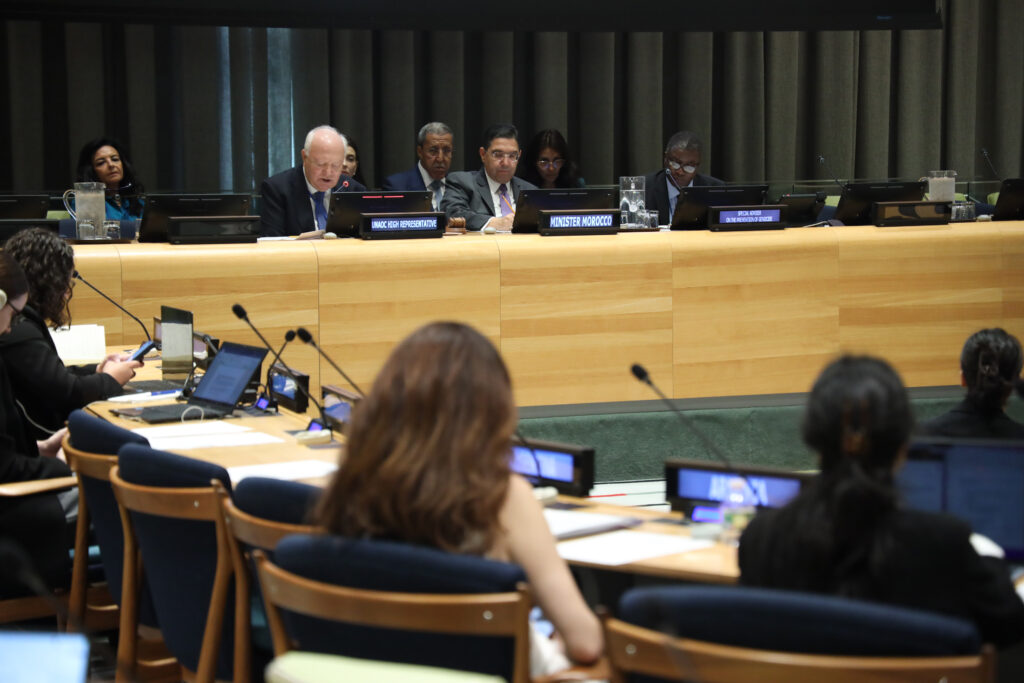
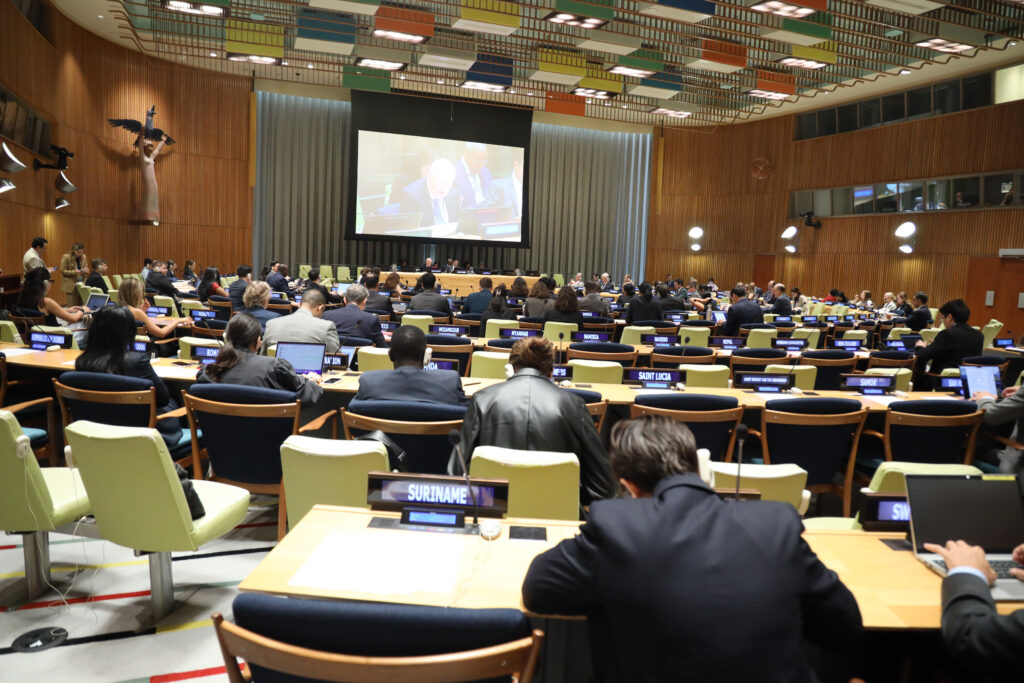
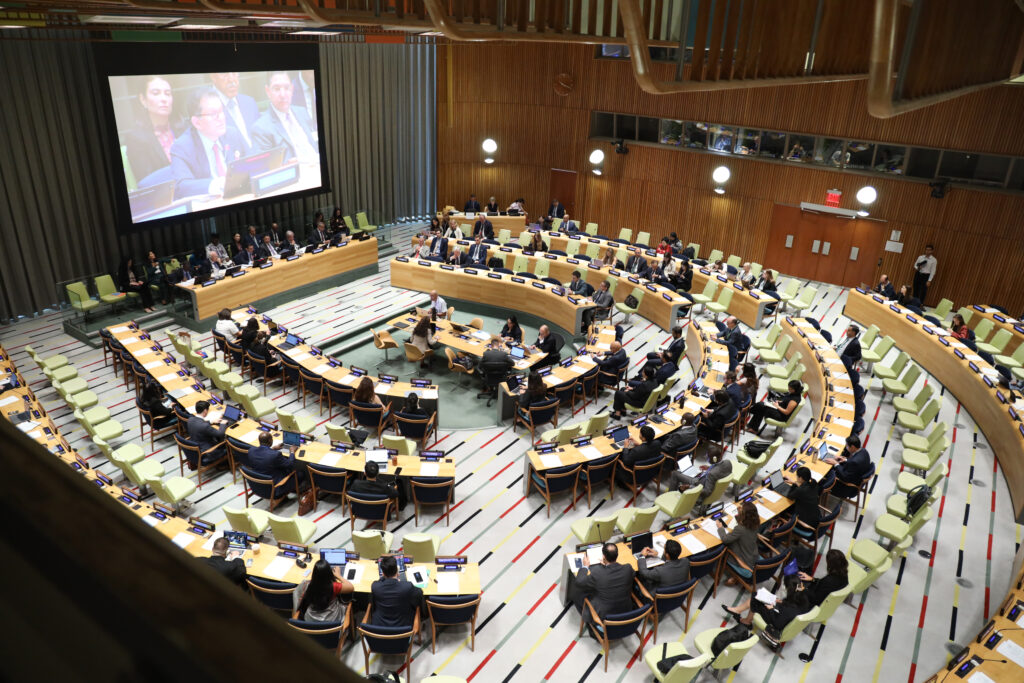
Morocco’s Minister of Foreign Affairs, African Cooperation and Moroccan Expatriates, Nasser Bourita, co-chaired on Thursday, at the United Nations headquarters in New York, with the UN Secretary-General and the President of the UN General Assembly, the Global Conference on Combating Hate Speech through the Promotion of Interfaith and Intercultural Dialogue and the Values of Tolerance, held on the sidelines of the 81st session of the United Nations General Assembly.
The conference was organized at the joint initiative of the Kingdom of Morocco, the United Nations Office on Genocide Prevention and the Responsibility to Protect, and the United Nations Alliance of Civilizations, with the aim of strengthening the role of dialogue and tolerance in preventing hate speech, supporting social cohesion and reinforcing international mobilization to address this phenomenon by deepening cooperation among states, religious institutions, civil society and digital stakeholders.
In his opening address, Bourita stressed that Morocco’s initiative to organize the conference reflects the spirit of the Royal Message addressed by King Mohammed VI to participants in the 9th Global Forum of the United Nations Alliance of Civilizations, held in Fez on November 22, 2022. In that message, the King called for politics, religion and dialogue to be made instruments in the service of peace.
The minister emphasized that the repeated discussion of hate speech in international forums should not become merely a periodic exercise, given the continued manifestations of hatred that constantly require collective action capable of preserving human dignity and protecting societies from tendencies toward rejection and division.
He explained that ignorance of others, the perpetuation of prejudice, as well as social and economic vulnerability can fuel fears that turn religious differences and cultural diversity into perceived threats. Such fears may then be exploited by extremist movements for political purposes by inflaming tensions and attributing the actions of individuals to entire communities.
In this context, Bourita sounded the alarm over the normalization of hatred by political leaders who have previously held government responsibilities, stressing the need to draw attention to such positions, given their contribution to normalizing hate speech and making it increasingly acceptable within public debate.
He also stressed the responsibility of political, religious and intellectual leaders and institutions to counter the exploitation of religion and identity to justify exclusion, particularly when intolerance is presented under the guise of patriotism.
Bourita underlined that Morocco’s initiative to organize the conference naturally stems from the Kingdom’s commitment to dialogue, tolerance and coexistence, and represents an extension of an engagement deeply rooted in Morocco’s history, institutions and national choices.
In this regard, the minister referred to the provisions of the Moroccan Constitution, which enshrines a unified yet plural national identity, open to universal values. This identity brings together the Arab-Islamic, Amazigh and Hassani Sahrawi components, while drawing on African, Andalusian, Hebrew and Mediterranean influences.
Bourita also highlighted the central role of the institution of the Commandership of the Faithful, describing it as the cornerstone of this model and recalling that the Commander of the Faithful, King Mohammed VI, is the guarantor of the freedom to practice religious affairs in accordance with the Constitution.
He noted that Morocco, under the stewardship of this institution deeply rooted in history, has welcomed, throughout different periods, religious and ethnic communities forced to leave their countries to escape persecution and the Inquisition, reflecting the deep roots of coexistence that have marked the history of the Kingdom.
He stressed that this coexistence among Morocco’s various religious communities, where Muslims, Jews and Christians shared the same social space for centuries, has evolved into an institutional choice embodied in state policies under the leadership of King Mohammed VI.
At the multilateral level, Bourita pointed out that the Kingdom, in line with this national reference and under the stewardship of the institution of the Commandership of the Faithful, plays a leading role in combating hate speech within international forums.
In this regard, he recalled the adoption by the United Nations General Assembly of three resolutions initiated by Morocco, including the resolution on enhancing the role of interfaith and intercultural dialogue and tolerance in combating hate speech. This reflects the Kingdom’s engagement in international efforts to address the phenomenon through dialogue, understanding and coexistence.
The Foreign Minister identified five priorities to guide collective action in this field: educating people to respect differences; embedding interfaith and intercultural dialogue in social life; fostering a sense of responsibility in public discourse; promoting fairness and equal opportunities; and preventing hate speech in the digital space.
Concluding his address, Bourita reaffirmed the Kingdom of Morocco’s determination to continue contributing to this international effort, stressing that protecting human dignity is a foundation for security and that building coexistence can only be achieved through sustained commitment and shared responsibility among states, institutions and societies.