China creates 11 new occupations amid economic transformation
ALDAR/
China officially added 11 new occupations to its national occupational classification on Wednesday, along with 23 new specialties under existing occupations. The move reflects the rapid changes taking place in the labor market as a result of technological advances, industrial modernization and evolving consumer needs.

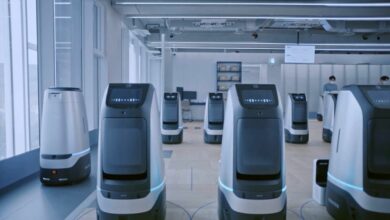
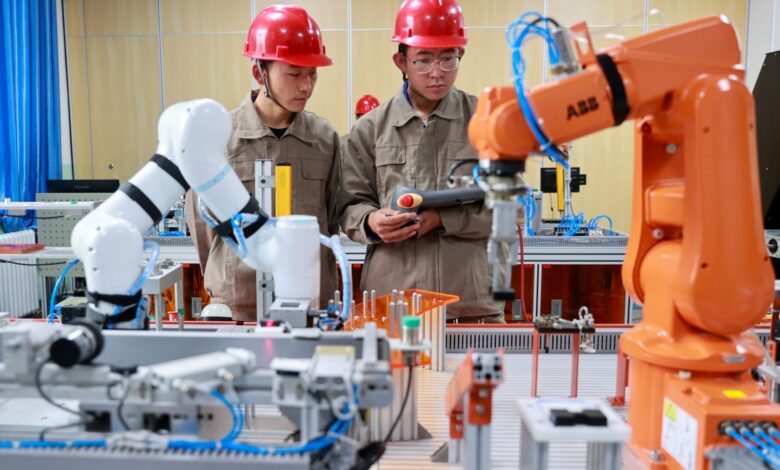
The new occupations were announced by the Ministry of Human Resources and Social Security, in coordination with several government agencies. The list includes jobs linked to emerging sectors, such as shore-based ship management engineering technicians, embodied-intelligence robotics technicians and sports data analysts.
The authorities also updated information on six existing occupations or specialties, including agricultural product brokers.
The new classification highlights the growing importance of occupations linked to digital transformation and sustainability. Five of the newly recognized occupations have been classified as digital occupations, while three have been designated as green occupations, bringing the total number of officially recognized digital occupations in China to 113 and green occupations to 142.
The changes are not limited to technology-related sectors, but also extend to modern services that are keeping pace with economic development and rising demand for higher-quality services. Newly recognized occupations include corporate sustainable development planners, airport obstacle inspection and removal inspectors, and AI agent developers.
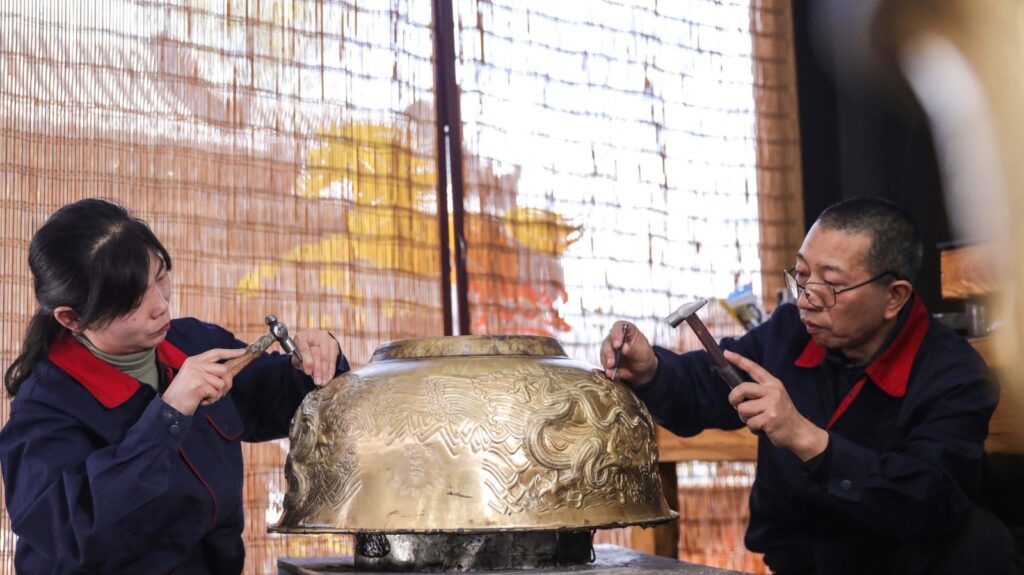
Other new occupations reflect growing demand for more specialized services in everyday life, including incense-making artisans, smart furniture assembly and operation workers, and workers specializing in the processing of freshly cut flowers.
The new specialties added to existing occupations also cover a range of fields, including residential community workers, low-altitude logistics operators, and designers of facility renovations adapted to the needs of older people.
The move is part of a process that China began in 2019. Since then, the authorities have introduced eight batches of new occupations, bringing the cumulative total to 121 and highlighting the country’s efforts to update its occupational classification system in line with economic and technological transformations.
The Ministry of Human Resources and Social Security said it would develop national standards for the newly recognized occupations, which will serve as a basis for vocational education, skills training and competency assessment.
The initiative is part of China’s priorities under the 15th Five-Year Plan (2026-2030), which aims to expand employment opportunities and create new jobs in areas including the digital economy, green economy and the “silver economy,” which caters to the needs of an aging population.