Beijing–Abu Dhabi: The Strategic Bet on Enduring Trust
ALDAR / Iman Alaoui
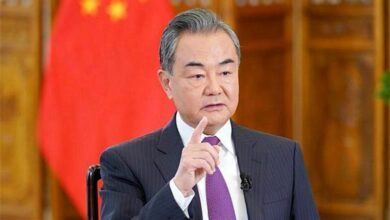
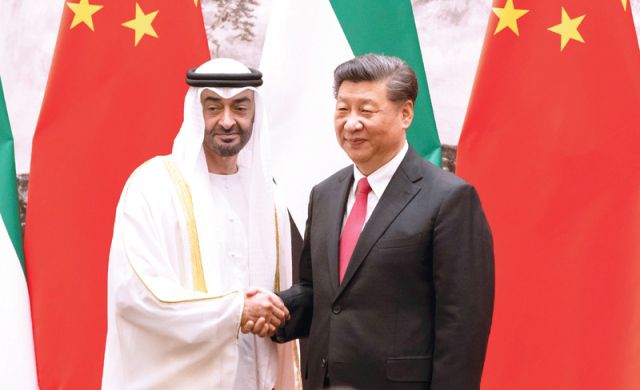
Against a backdrop of acute regional and international complexity, the visit of Chinese Foreign Minister Wang Yi to Abu Dhabi has underscored the extent to which relations between China and the United Arab Emirates have moved beyond ad-hoc economic cooperation to become a carefully considered strategic choice by Beijing. As the Middle East undergoes a profound reshaping of its balances and alliances, China is seeking stable partners capable of honoring commitments away from political turbulence—a profile that the Emirati model embodies with striking clarity.
This visit, part of the broader expansion of China’s footprint in the Middle East, reflects a shared determination to deepen the partnership beyond economics to include political—and to a certain extent, security—dimensions. For Beijing, the objective is no longer limited to maintaining trade ties, but to rely on states able to play balanced political roles on sensitive issues such as Gaza or Yemen, while preparing for major milestones like the upcoming China–Arab World Summit. For their part, the UAE see China’s opening as an opportunity to consolidate their position as a credible regional mediator, weaving ties with major powers without locking themselves into exclusive alignments.
The economic dimension remains the central engine of the relationship. Expected memoranda of understanding in key sectors—artificial intelligence, renewable energy and the digital economy—along with projects linked to the Belt and Road Initiative, pave the way for massive investment flows that could reach several billions of dollars. These investments do not serve Chinese interests alone: they dovetail directly with the UAE Vision 2031 and reinforce the country’s status as a global logistics and commercial hub linking Asia, the Middle East and Africa.
Yet China’s wager extends beyond so-called “hard” economics to soft power as well. The strengthening of air links and the surge in Chinese tourist flows reflect a shared awareness of the importance of cultural and human dimensions in anchoring lasting relations. The UAE have become a destination of choice for Chinese tourists, not only because of the quality of their infrastructure, but also thanks to a safe and stable environment capable of absorbing this tourism momentum and converting it into added value for hospitality and leisure sectors.
In strategic fields, both sides are building on successful cooperation experiences, foremost among them collaboration in the health sector during the Covid-19 pandemic, notably around the Sinopharm vaccine. This precedent strengthened mutual trust and opened the door to deeper partnerships in biotechnology, energy and cutting-edge innovation. Major Emirati companies now act as operational bridges toward greater technological integration: they offer China an advanced foothold in sensitive sectors, while enabling the UAE to gain broader access to Asian technologies and markets.
China’s bet on the UAE rests on a set of strategic considerations. Stability in decision-making processes and clarity of power centers provide Beijing with a rare assurance in a volatile region. Added to this is Abu Dhabi’s pragmatic diplomacy, grounded in balance and openness, in line with China’s own philosophy favoring partnerships over military alliances. The UAE’s strong track record in honoring agreements is another decisive asset: experience shows that contracts are executed free from politicization or abrupt reversals.
From a broader perspective, China views the UAE not as a mere national market, but as a secure regional anchor. State-of-the-art infrastructure, world-class ports and an attractive legal environment make it an ideal platform for consolidating Chinese interests across the Gulf, Africa and South Asia. Moreover, a relatively lower level of security sensitivity compared with other countries in the region reduces the risks of pressure or sanctions weighing on Chinese projects—a determining factor in Beijing’s current strategic calculus.
When comparing the degree of trust China places in its regional partners, the UAE clearly stand out. They are perceived as a highly reliable partner, combining decision-making stability, predictability and a relative separation between economics and political disputes. Other countries in the region remain important partners, but are more complex due to rapid political shifts, less attractive economic and bureaucratic environments, or greater exposure to international pressure.
China is not “taking a risk” with the UAE; it is investing in a model that has proven its worth. Abu Dhabi, in Beijing’s calculations, is not merely a good partner, but the safest environment in which to aggregate economic and political interests in an unstable Middle East. Hence the distinctive roles assigned to it: a logistics hub, an investment platform and a discreet political channel at the heart of a broader Chinese strategy built on selecting reliable partners in a rapidly changing world.