Germany Reaffirms Support for Morocco’s Autonomy Initiative in the Sahara and Pledges Diplomatic and Economic Implementation
ALDAR/ Imane Alaoui
Germany has renewed its endorsement of the “central role” of Morocco’s autonomy initiative, describing it as the most serious and realistic framework for resolving the regional dispute. Berlin also announced its commitment to translating this position into action on both diplomatic and economic levels.
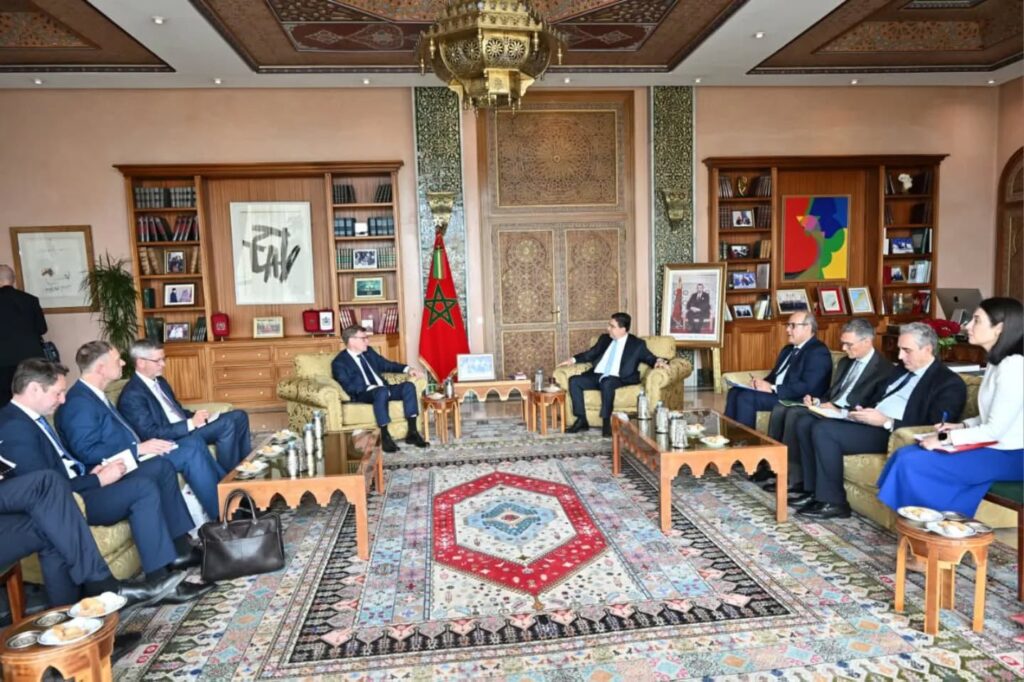
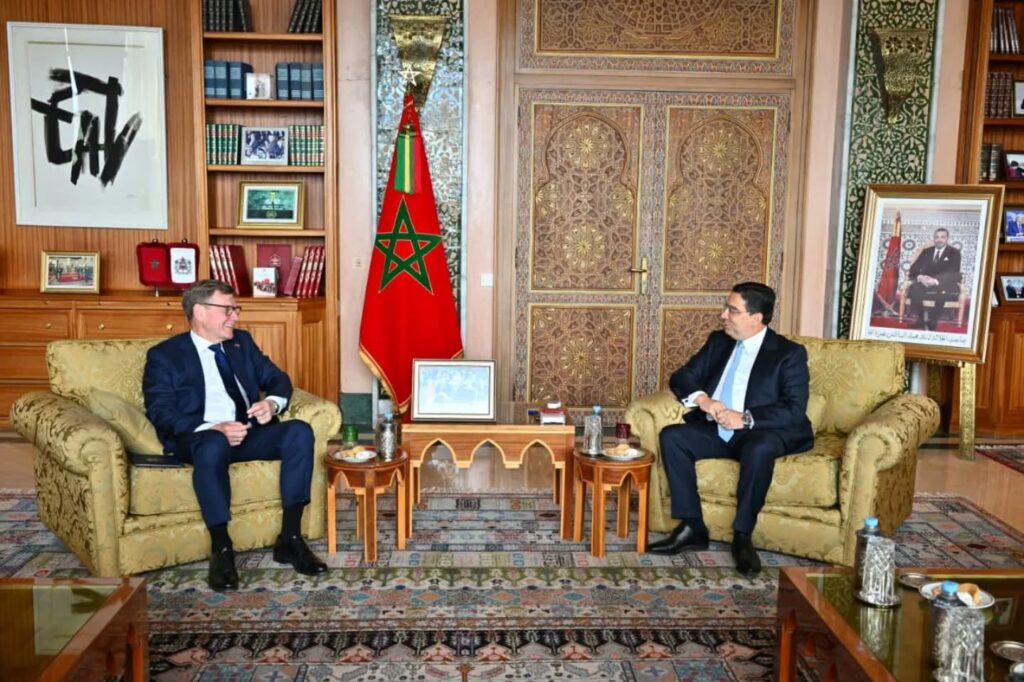
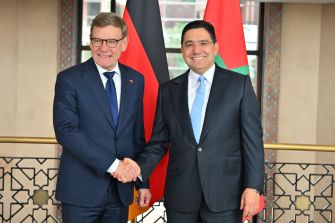
This stance was outlined in a joint statement issued following the second session of the multidimensional strategic dialogue between Morocco and Germany, held on Thursday in Rabat, bringing together Morocco’s Minister of Foreign Affairs, African Cooperation and Moroccan Expatriates, Nasser Bourita, and his German counterpart Johann Wadephul.
According to the statement, Berlin welcomed United Nations Security Council Resolution 2797, adopted on October 31, 2025, stating that “genuine autonomy under Moroccan sovereignty could represent the most viable solution” to the regional dispute.
In the same context, Germany reaffirmed that Morocco’s autonomy initiative remains a “serious and credible basis” for negotiations aimed at reaching a “just, lasting, and mutually acceptable solution.” Berlin further emphasized the centrality of this proposal in any future political process.
The joint communiqué also noted that Germany reiterated its full support for the efforts of the UN Secretary-General and his Personal Envoy in facilitating and managing negotiations, stressing that this process should be grounded in the Moroccan autonomy proposal. According to observers, this reflects an increasing convergence of international positions in favor of this approach.
In a notable development, Germany expressed its readiness to help clarify the practical framework of autonomy under Moroccan sovereignty, paving the way for a deeper international understanding of the initiative’s substance.
The statement concluded by reaffirming Germany’s commitment to “acting in accordance with this position at both the diplomatic and economic levels, in compliance with international law,” signaling potential implications for the future trajectory of cooperation between Rabat and Berlin across various sectors.
This development is seen as a further reinforcement of Morocco’s position within Europe and a consolidation of growing international support for the autonomy initiative as the most realistic solution to this long-standing regional conflict.