“Mogador Dialogues”: First Edition Concludes with a Focus on Coexistence and Diversity
ALDAR /
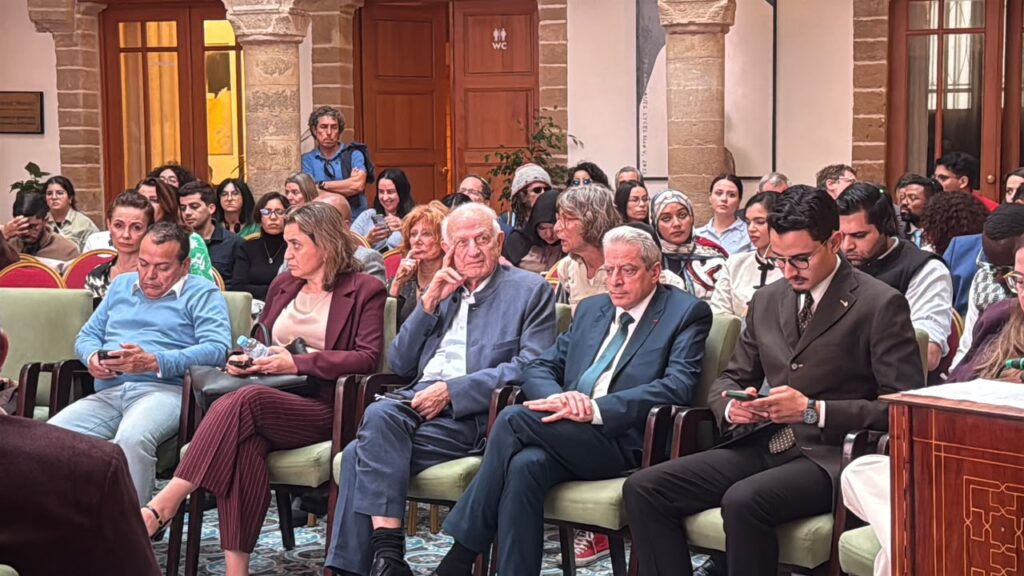
The city of Essaouira brought the first edition of the “Essaouira Mogador Dialogues – Civilizations in Dialogue” to a close on Saturday evening, November 21, 2026. Over three days, the event brought together prominent figures from the worlds of art, culture, politics, intellectual thought, science and technology. Participants from different parts of the world, representing diverse generations and cultural and religious backgrounds, took part in meetings and discussions focused on ways to build a more inclusive and peaceful humanity, despite differences in cultures and religions.
The first edition concluded with the adoption of a final declaration entitled “The Spirit of Essaouira: Let Us Make Dialogue a Shared Responsibility.” Through this declaration, participants called for dialogue to move beyond being merely a space for exchanging ideas and experiences and become a collective practice grounded in shared responsibility and openness to others, paving the way for practical and sustainable initiatives.
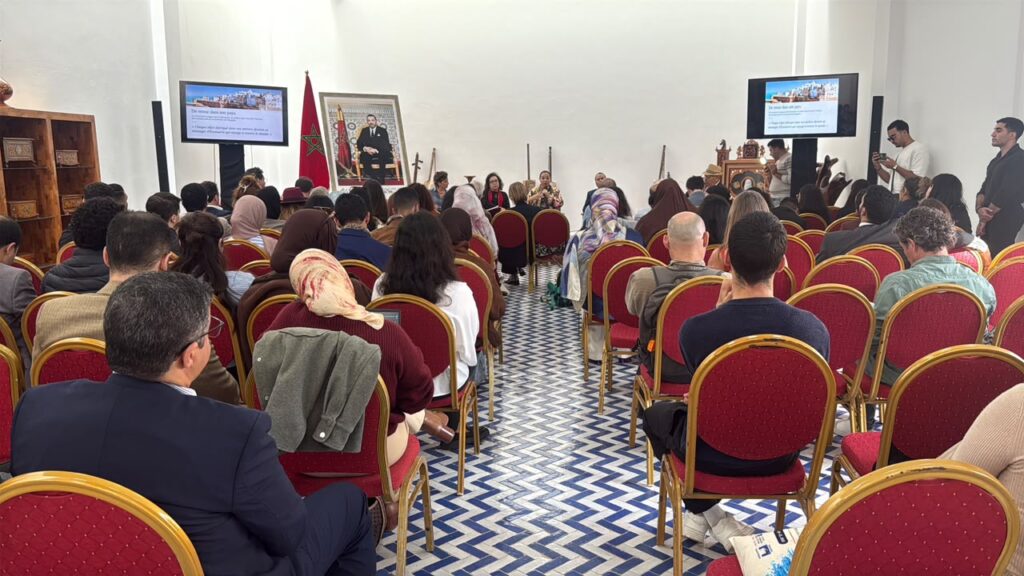
The discussion sessions featured open and interactive exchanges, with participants sharing views and responding directly to questions from the audience. They also reflected a shared commitment to promoting a culture of listening and mutual respect, while broadening participation to include different social groups and generations, seen as an essential step towards building a common future.
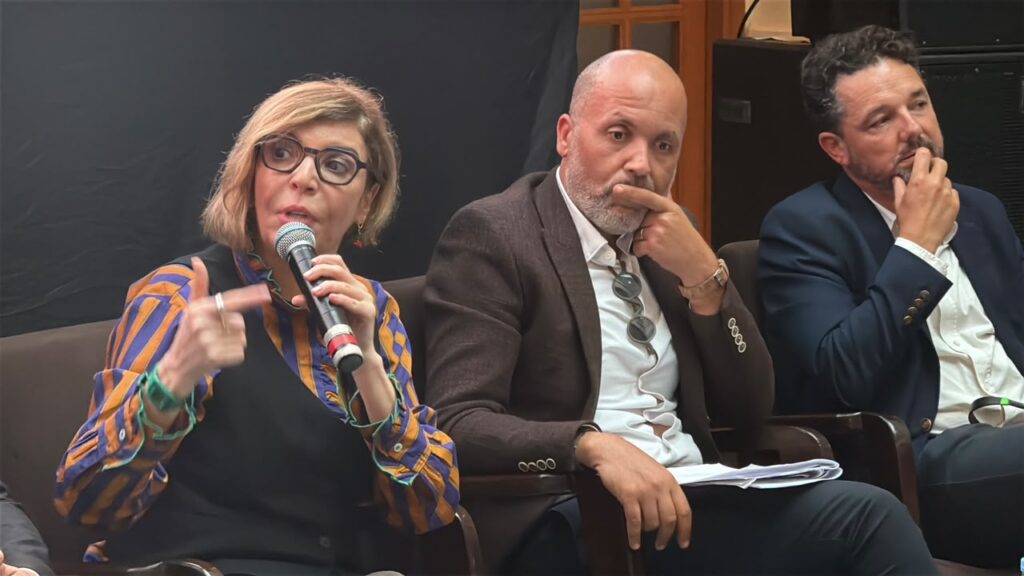
In this context, speakers highlighted the symbolic and historical significance of Essaouira as a distinctive Moroccan example of coexistence, openness and cultural and religious diversity. They recalled the human experiences that Mogador has witnessed throughout its history, particularly the coexistence of Jewish and Muslim families who shared living spaces, markets, crafts and professions, contributing to the city’s rich and diverse civilizational identity.
During the various discussions, participants stressed that this shared memory represents a human and cultural heritage that must be preserved and passed on to younger generations. They also highlighted the role played by institutions and cultural spaces such as “Bayt Dakira”, alongside the workshops of traditional artisans in the old medina, in safeguarding this heritage and passing down the stories, knowledge and skills that reflect the city’s history and the diversity of its communities.
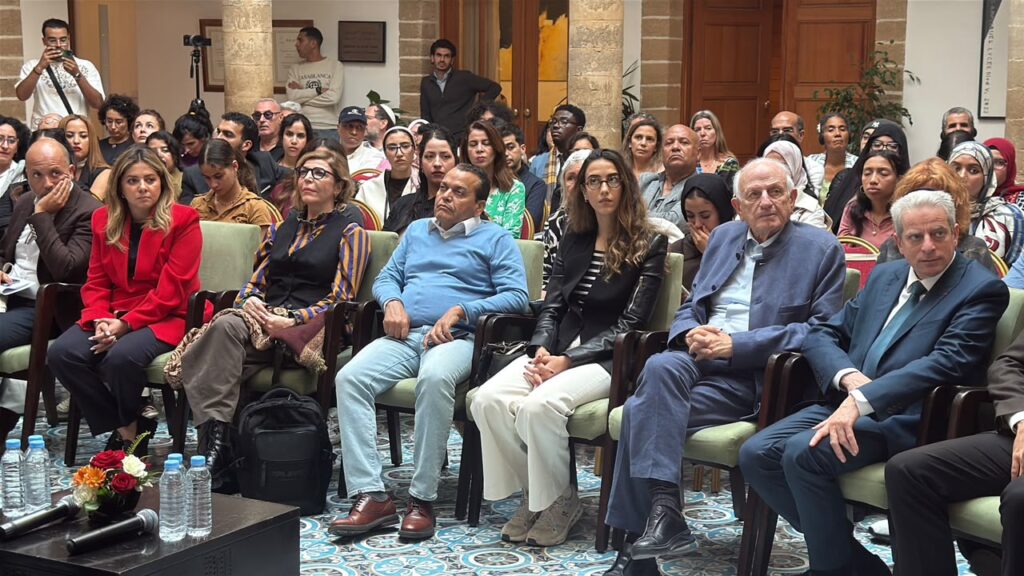
They further emphasized that differences in positions and perspectives should not prevent people from coming together around shared human values, foremost among them the protection of human dignity and the promotion of mutual respect. These principles, they noted, form the foundation of any serious and responsible dialogue, as well as the basis for building stronger ties between societies and cultures.
To ensure the continuity of the momentum generated by the event, participants announced three key commitments aimed at turning the ideas and discussions held in Essaouira into tangible and actionable initiatives.
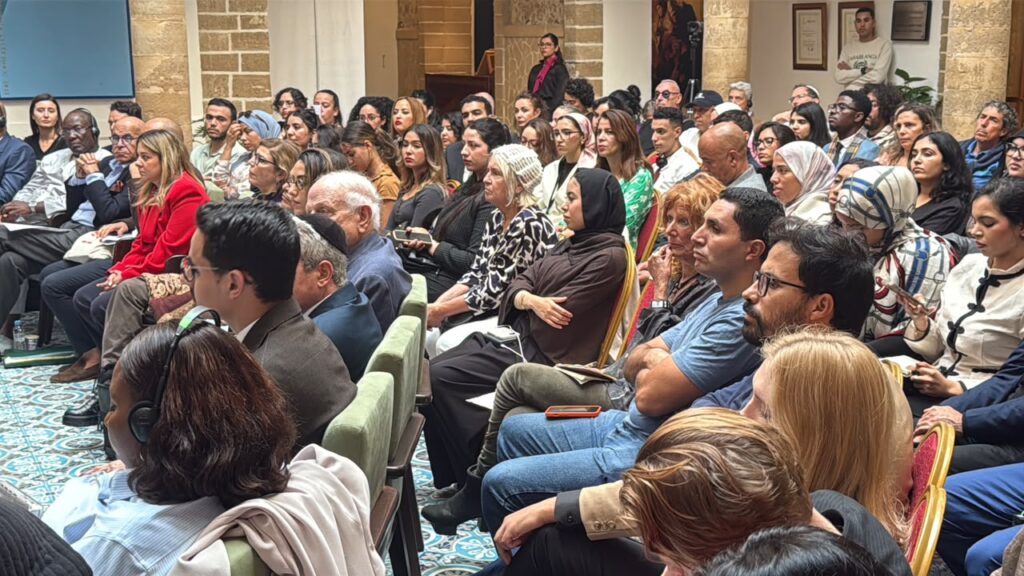
The first commitment focuses on giving greater space to voices that are not sufficiently heard, by expanding opportunities for participation within cities, associations, universities and institutions. It also calls for involving different social groups in public discussions from the earliest stages of identifying issues and shaping decisions, allowing their experiences, perspectives and proposals to contribute to the process.
The second commitment concerns sharing responsibility with younger generations by enabling young people to take leadership roles in organizing meetings and implementing projects, opening institutions to their initiatives, and providing the necessary resources to turn their ideas and proposals into concrete actions and projects.
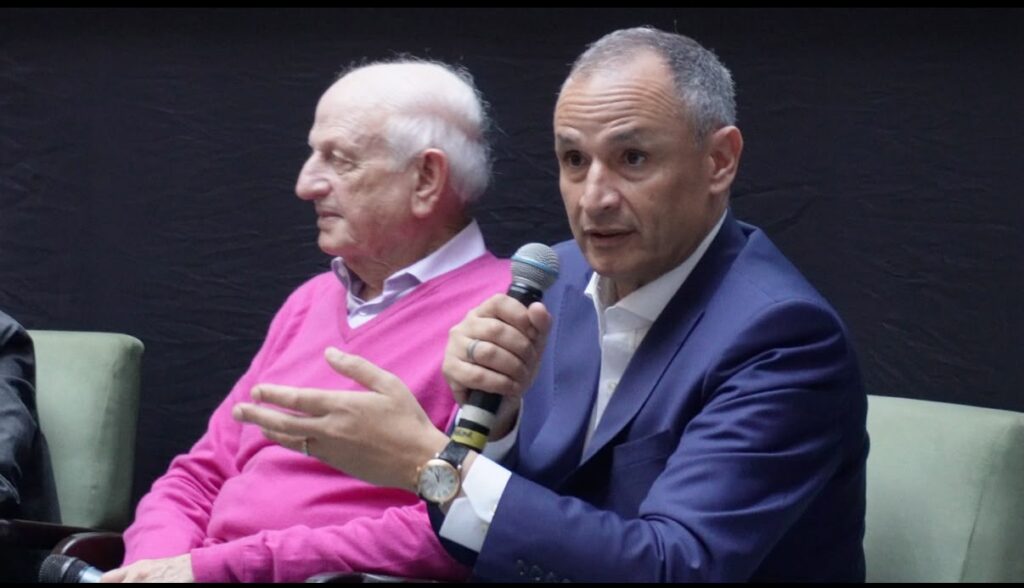
The third commitment focuses on preserving the human and professional ties established during these meetings and developing them into joint cooperation projects. These may include exchanges of expertise between cities, educational initiatives on shared memory involving schools and educational institutions, joint artistic and creative productions, as well as encouraging the transfer of skills and knowledge among traditional artisans from both shores of the Mediterranean.
Through these commitments, the first edition of the “Mogador Dialogues” concluded with a message that goes beyond intellectual and cultural debate, presenting dialogue as a shared responsibility and an ongoing practice, and shared memory as a bridge connecting peoples, at a time when recognizing differences and embracing diversity are more important than ever.